



Cybercrime is projected to inflict a staggering $10.5 trillion in annual damages worldwide by 2025, highlighting an urgent need for organizations to rethink their strategies. As threats evolve rapidly, disaster recovery in cyber security has become essential for every business seeking resilience in 2026.
A robust disaster recovery plan not only protects operations but also preserves organizational reputation and ensures compliance with ever-changing regulations. Without proactive preparation, even a single incident can disrupt business continuity and erode hard-earned trust.
This guide delivers a step-by-step roadmap to achieving disaster recovery in cyber security success for 2026. Explore the latest best practices, proven strategies, and innovative technologies designed to keep your organization secure and future-ready.
Understanding Disaster Recovery in Cyber Security
Disaster recovery in cyber security is a critical safeguard for modern organizations. As digital threats become more complex, businesses must understand what disaster recovery truly means in today’s cyber landscape. Let’s break down the essentials, explore why it matters so much in 2026, and clarify the key goals driving effective disaster recovery in cyber security.

Defining Disaster Recovery in the Cyber Context
Disaster recovery in cyber security refers to the structured process organizations use to restore IT operations after disruptive cyber incidents. It is a specialized part of business continuity, concentrating on digital systems, data, and technology infrastructure.
Unlike incident response, which focuses on immediate containment and investigation, disaster recovery emphasizes restoring normal operations and minimizing downtime. Cyber disaster recovery must address unique threats such as ransomware attacks, data breaches, and distributed denial of service (DDoS) incidents.
Industry standards like NIST SP 800-34 and ISO 22301 provide guidance for building robust disaster recovery in cyber security plans. These frameworks underscore the need for a documented, actionable strategy that can be executed quickly during a crisis. Without clear procedures, organizations risk prolonged outages and greater losses.
A strong disaster recovery in cyber security plan should be regularly reviewed, updated, and tested to remain effective against evolving cyber threats.
Why Disaster Recovery Is Essential in 2026
The threat landscape is rapidly changing. Cyberattacks are increasing in both sophistication and frequency, with a 38% surge reported in 2023. Costs associated with downtime and data loss continue to escalate, putting tremendous pressure on businesses of all sizes.
Regulatory requirements have also grown stricter. Organizations must now comply with frameworks such as GDPR, HIPAA, and new mandates set for 2026. Failure to meet these standards can result in legal penalties and loss of customer trust.
Recent high-profile incidents, like the Moneris and Karmak ransomware breaches, highlight the devastating impact of inadequate planning. According to Cybersecurity statistics 2025: key trends & breach costs, the average cost of a data breach has reached record highs, making disaster recovery in cyber security more vital than ever.
In this climate, customer trust and brand reputation are on the line. A well-prepared disaster recovery in cyber security approach helps organizations protect sensitive assets and maintain confidence among stakeholders.
Key Goals of Cyber Security Disaster Recovery
The primary aim of disaster recovery in cyber security is to ensure business continuity, even in the face of severe cyber incidents. Key goals include:
- Rapid restoration of systems and services: Minimize downtime to keep operations running.
- Protection of sensitive data: Safeguard customer and business information from loss or theft.
- Regulatory and legal compliance: Meet all industry mandates and reporting requirements.
- Continuous improvement and resilience: Regularly assess and update plans to address new threats.
By focusing on these objectives, organizations can build resilience and reduce the impact of future incidents. Disaster recovery in cyber security is not just a technical requirement; it is a business imperative.
Step 1: Assessing Risks and Identifying Threats
A successful disaster recovery in cyber security starts with a clear understanding of your organization's unique risk landscape. Without a thorough risk assessment, even the best recovery plans may leave critical gaps that attackers can exploit. In today's fast-evolving threat environment, identifying and prioritizing risks is the cornerstone of any effective disaster recovery in cyber security strategy.
Conducting a Comprehensive Risk Assessment
The first step in disaster recovery in cyber security is to inventory all digital assets and critical systems. This process includes servers, applications, cloud services, and sensitive data repositories. By cataloging assets, organizations can better understand potential entry points for attackers.
Next, identify both internal and external threats. Internal threats may involve human error or malicious insiders, while external threats range from malware and ransomware to supply chain attacks. Threat modeling helps map out potential attack vectors, ensuring no scenario is overlooked.
Evaluating the likelihood and impact of each threat is essential. Human error accounts for 82% of breaches, making it a top concern. Industry-specific risks must also be addressed; for example, healthcare organizations face different threats than financial institutions. Referencing Cybersecurity trends and predictions 2024 can provide valuable insight into emerging risks and best practices.
A documented risk assessment provides the foundation for disaster recovery in cyber security, ensuring your plan is built on accurate, up-to-date information.
Understanding Consequences and Prioritizing Risks
After identifying threats, analyze the potential consequences for your organization. Consider the financial, operational, and reputational impacts of each risk. Legal and regulatory ramifications must be factored in, especially as compliance requirements grow more stringent.
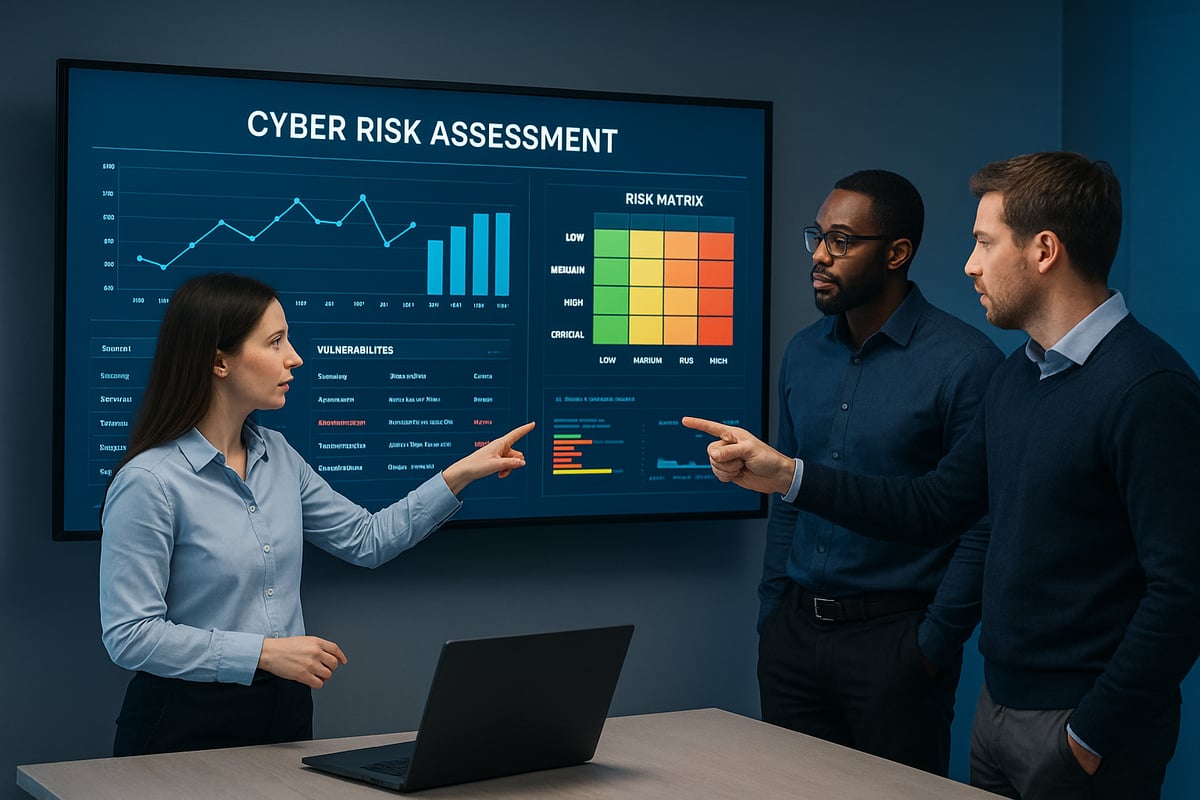
A risk matrix is an effective tool for prioritizing threats. By mapping likelihood against impact, organizations can focus on the most pressing risks first.
| Threat Type | Likelihood | Impact | Priority |
|---|---|---|---|
| Ransomware | High | Severe | Top |
| DDoS Attack | Medium | High | High |
| Insider Error | High | Medium | High |
For example, ransomware may require different recovery priorities and procedures compared to a DDoS attack. Lessons from recent incidents, such as those experienced by Moneris and Karmak, underscore the importance of tailored approaches.
By prioritizing risks, disaster recovery in cyber security becomes more targeted and effective, directly addressing the threats that matter most.
Establishing a Monitoring and Detection Strategy
Ongoing monitoring is vital for disaster recovery in cyber security. Implement solutions like SIEM (Security Information and Event Management), IDS (Intrusion Detection Systems), and IPS (Intrusion Prevention Systems) to ensure continuous vigilance.
Set up automated alerts to notify the appropriate personnel of unusual activity. Integrate threat intelligence feeds to stay ahead of new and evolving threats. Conduct regular vulnerability assessments and penetration testing to identify and remediate weaknesses.
Early detection is a critical factor in minimizing the impact of cyber incidents. By maintaining a proactive monitoring and detection strategy, organizations can react swiftly and contain incidents before they escalate.
Step 2: Building the Disaster Recovery Team and Defining Roles
A successful disaster recovery in cyber security plan relies on a skilled and coordinated team. As cyber threats grow more sophisticated, organizations must ensure they have the right people, processes, and communication strategies in place. This step focuses on building the foundation for an effective response, assigning responsibilities, and preparing your team to act quickly and efficiently when disaster strikes.

Assembling a Cross-Functional Response Team
The first step in disaster recovery in cyber security is to assemble a cross-functional team. This group should represent all major departments directly involved in incident response and recovery, ensuring seamless coordination during a crisis.
Key stakeholders to include:
- IT and security specialists
- Legal counsel
- Communications and PR representatives
- Executive leadership (such as the CTO or IT Director)
- Third-party vendors or managed service providers (MSPs)
Assigning clear roles is essential. Each team member should understand their responsibilities for every phase of disaster recovery in cyber security, from detection to restoration. Designate a Disaster Recovery Coordinator to oversee the plan, ensuring accountability and consistent leadership.
For smaller organizations, involving MSPs can fill expertise gaps and provide rapid support. As cybercrime is projected to cost $10.5 trillion annually by 2025, according to Global cybercrime projected to cost $10.5 trillion by 2025, having a well-structured team is more important than ever. Documenting roles and maintaining updated contact lists streamlines response efforts and minimizes confusion during high-pressure situations.
Training, Drills, and Communication Protocols
Ongoing training is critical for disaster recovery in cyber security. Human error remains a leading cause of breaches, so regular education and awareness sessions help prepare staff for real-world scenarios.
Effective training strategies include:
- Tabletop exercises simulating various cyber incidents
- Live drills testing response to data breaches or ransomware
- Role-based training tailored to each team member's responsibilities
Establishing clear communication protocols is equally vital. Develop internal and external communication plans that outline who communicates what, when, and to whom. Document escalation paths so all staff know how to report incidents and who to contact immediately.
Conducting regular drills allows teams to practice these protocols, identify gaps, and refine processes. After each exercise, review performance and update documentation as needed. This continuous improvement mindset ensures your disaster recovery in cyber security plan remains current and effective.
Step 3: Designing the Cyber Security Disaster Recovery Plan
A well-structured disaster recovery in cyber security plan is essential for organizations to withstand the growing threat landscape. With cybercrime predicted to cost the world $12.2 trillion annually by 2031, according to Cybersecurity Ventures forecasts cybercrime will cost world $12.2T yearly by 2031, the stakes for effective planning have never been higher. Each component of your plan must be actionable, comprehensive, and tailored to your business needs.
Developing Core Recovery Procedures
Every disaster recovery in cyber security plan should start with clear, step-by-step recovery procedures. These are the blueprints your team will follow in the event of a cyber incident, ensuring consistency and speed.
Begin by mapping an incident response workflow:
- Detection: Quickly identify threats through monitoring tools.
- Containment: Isolate affected systems to prevent spread.
- Eradication: Remove malicious code or unauthorized access.
- Recovery: Restore systems and data to normal operations.
For each incident type—such as data breaches, ransomware, or DDoS attacks—develop detailed runbooks. These runbooks should include technical steps, communication protocols, and escalation paths. Define your Recovery Time Objective (RTO) and Recovery Point Objective (RPO) for each system. These metrics help prioritize which assets require rapid restoration and how much data loss is tolerable.
Documenting these procedures ensures everyone knows their role. Regularly review and update workflows as threats evolve to maintain effective disaster recovery in cyber security.
Data Protection and Backup Strategies
Robust data protection is vital for disaster recovery in cyber security. Automated, regular backups are your safety net against data loss from ransomware or hardware failure.
Key strategies include:
- Automated Backups: Schedule frequent backups of critical systems and data.
- Secure Storage: Store backups offsite, in the cloud, or using air-gapped solutions to prevent compromise.
- Testing: Periodically test backup integrity and restoration processes to ensure reliability.
| Backup Strategy | Description | Frequency |
|---|---|---|
| Automated Backups | Scheduled backups of all critical data | Daily |
| Offsite Storage | Physical or cloud-based remote storage | Weekly |
| Air-Gapped Backups | Disconnected storage for key assets | Monthly |
Organizations that prioritize these strategies can recover from most incidents with minimal downtime or data loss. Remember, disaster recovery in cyber security is only as strong as your last successful backup.
Ensuring Business Continuity
Maintaining business continuity is a core goal of disaster recovery in cyber security. Start by identifying mission-critical systems and applications. Prioritize them for restoration and develop alternative workflows in case primary systems are compromised.
Consider:
- Manual Procedures: Outline steps for manual processing if digital systems are unavailable.
- Alternative Communication Channels: Prepare backup methods, such as mobile phones or secure messaging apps.
- Fallback Facilities: Identify secondary locations or cloud services to maintain operations.
Document these processes in your plan. During a disruption, having predefined alternatives ensures your organization can continue serving customers and meeting obligations. Effective disaster recovery in cyber security relies on flexibility and adaptability.
Legal, Regulatory, and Compliance Considerations
Compliance is non-negotiable in disaster recovery in cyber security planning. Map all relevant regulations—such as GDPR, HIPAA, or local laws—to your recovery processes. Ensure your plan includes breach notification protocols and document templates for regulators and stakeholders.
Maintain detailed audit trails of all actions taken during an incident. Prepare communication templates for rapid response to legal requirements. Regularly review your plan to account for changes in legislation or industry standards.
By embedding compliance into your disaster recovery in cyber security plan, you reduce the risk of fines, legal action, and reputational harm.
Communication and Stakeholder Management
Transparent communication is a cornerstone of disaster recovery in cyber security. Internally, keep staff informed and coordinated during incidents. Externally, provide timely updates to customers, partners, and the media.
Best practices include:
- Internal Communication Plans: Define channels, responsibilities, and escalation paths.
- External Messaging: Prepare statements for customers and partners, focusing on transparency.
- Media Relations: Develop a strategy for public updates to maintain trust.
For example, after a ransomware attack, daily customer updates can help reassure stakeholders and protect your brand. Effective disaster recovery in cyber security means not only technical recovery but also preserving relationships and reputation.
Step 4: Implementing and Testing the Plan
Implementing and testing your disaster recovery in cyber security strategy is where planning turns into action. This stage ensures that recovery processes are not just theoretical but can be executed smoothly under real-world pressure.
A well-implemented plan is the backbone of cyber resilience. By validating every step, your organization maintains business continuity, minimizes disruption, and builds confidence in its ability to recover from any incident.
Deploying the Disaster Recovery Plan
Effective deployment is crucial for disaster recovery in cyber security. Start by rolling out the plan across all departments, ensuring everyone knows their role. Integrate the plan with current IT and security policies so no part of your infrastructure is left exposed.
Make documentation easily accessible. Store up-to-date contact lists, escalation paths, and step-by-step runbooks in both digital and physical formats. This ensures your team can act quickly, even if systems are compromised.
Key steps for deployment:
- Communicate the plan organization-wide
- Align with existing security controls and response protocols
- Ensure all staff, including remote workers, have access to recovery guidance
A clear deployment process reduces confusion and enables your organization to execute disaster recovery in cyber security without hesitation when every second counts.
Running Regular Drills and Simulations
Regular drills are the best way to validate your disaster recovery in cyber security plan. Schedule periodic exercises that simulate various cyber threats, such as ransomware attacks, insider threats, and natural disasters.
Use these exercises to:
- Test response times and coordination
- Identify gaps in procedures or team readiness
- Build staff confidence in handling real incidents
A simple table can help you plan drill frequency:
| Scenario | Drill Frequency | Stakeholders Involved |
|---|---|---|
| Ransomware | Quarterly | IT, Security, Management |
| DDoS Attack | Semi-annual | IT, Comms, Vendors |
| Insider Threat | Annual | All Departments |
After each drill, gather feedback and document lessons learned. Use this information to refine your disaster recovery in cyber security approach, ensuring it evolves with emerging threats and organizational changes.
Continuous Monitoring and Updating
Continuous improvement is essential for disaster recovery in cyber security. Establish regular feedback loops by reviewing both real and simulated incidents. Analyze what worked, what did not, and update your plan accordingly.
Schedule annual reviews at minimum, but also update after significant IT changes or new threat trends. Encourage team members to report potential weaknesses and suggest improvements.
A culture of ongoing review and adaptation helps your disaster recovery in cyber security program stay ahead of threats, maintain compliance, and support long-term business resilience.
Step 5: Leveraging Technology and Managed Services for 2026 Success
Staying ahead of evolving threats requires organizations to harness the latest technology and reliable managed services. The landscape of disaster recovery in cyber security is shifting rapidly, making it essential to integrate advanced tools, robust backup strategies, and expert external support to ensure resilience in 2026.
Adopting Advanced Cyber Security Solutions
Organizations must leverage cutting-edge solutions to strengthen disaster recovery in cyber security. Next-generation firewalls, endpoint detection and response (EDR), and extended detection and response (XDR) platforms offer enhanced visibility and control. Artificial intelligence and machine learning now play a pivotal role in threat detection, automating responses to minimize downtime.
Cloud-based disaster recovery solutions have become increasingly popular for their scalability and rapid deployment. Automation further accelerates recovery processes, reducing human error and ensuring consistent results. By investing in these technologies, companies can build a stronger foundation for disaster recovery in cyber security.
Importance of Data Backup and Recovery Tools
Reliable backup and recovery solutions are central to disaster recovery in cyber security. Selecting the right tools involves evaluating factors like data encryption, restoration speed, and ease of management. Organizations must decide between cloud and on-premises backups, considering their unique operational needs.
| Feature | Cloud Backup | On-Premises Backup |
|---|---|---|
| Scalability | High | Limited |
| Accessibility | Remote | Local |
| Security | Depends on vendor | In-house control |
| Cost | Pay-as-you-go | Upfront investment |
Compatibility with existing IT environments is another key consideration. Regular testing ensures backup integrity, allowing for smooth recovery when disaster recovery in cyber security is needed most.
The Role of Managed IT Service Providers (MSPs)
For many organizations, especially small businesses, partnering with a Managed IT Service Provider is a strategic move. MSPs bring expertise and resources that are often unavailable in-house. They provide disaster recovery in cyber security support through:
- 24/7 monitoring and rapid incident response
- Proactive threat detection and mitigation
- Regular system backups and secure storage
- Expert guidance on compliance and best practices
MSPs deliver predictable costs and peace of mind, allowing businesses to focus on growth while knowing their disaster recovery in cyber security needs are covered.
How Managed IT Services Like Delphi Systems Inc. Support Disaster Recovery
Delphi Systems Inc., based in Lethbridge, specializes in disaster recovery in cyber security for small businesses. Their services include proactive network monitoring, secure data backup, disaster recovery planning, and rapid IT support.

Clients benefit from predictable service costs, reduced downtime, and an enhanced security posture. Real-world testimonials highlight improved business continuity and peace of mind. By partnering with local experts like Delphi Systems Inc., businesses receive tailored and responsive disaster recovery solutions that address their unique challenges.
Future Trends: Preparing for the Evolving Threat Landscape
The future of disaster recovery in cyber security will be shaped by emerging threats such as AI-powered attacks and supply chain vulnerabilities. Staying current with regulations and compliance requirements is crucial. Organizations should invest in ongoing staff training and awareness programs to build resilience.
Proactively adapting to these changes will ensure long-term success. By prioritizing disaster recovery in cyber security, businesses can confidently navigate the risks of 2026 and beyond.
Documentation, Review, and Continuous Improvement
Thorough documentation is the backbone of any effective disaster recovery in cyber security framework. Without accurate records, organizations risk repeating past mistakes, missing compliance requirements, and losing valuable insights. Proper documentation ensures clarity, accountability, and a clear path for continuous improvement.
Documenting Every Step of the Process
Every stage of disaster recovery in cyber security should be meticulously recorded. This includes:
- Detailed runbooks for various incident types
- Up-to-date contact lists for internal and external stakeholders
- Comprehensive checklists for recovery procedures
Maintaining records of incidents, responses, and outcomes provides a valuable resource for training and future assessments. Documentation must be easily accessible, regularly reviewed, and aligned with regulatory standards.
Post-Incident Review and Analysis
After any disaster recovery in cyber security event, conducting a structured post-incident review is vital. These reviews help organizations identify what worked well, what failed, and why.
Key steps include:
- Gathering feedback from all involved stakeholders
- Analyzing the timeline and effectiveness of the response
- Documenting lessons learned and actionable improvements
Such reviews foster a culture of transparency and drive ongoing enhancement of the disaster recovery process.
Continuous Plan Reassessment and Updating
Regular reassessment is crucial for disaster recovery in cyber security to stay effective amid evolving threats. Schedule plan reviews at least annually, or after significant changes to technology or business processes.
Essential update triggers:
- Introduction of new technologies or systems
- Shifts in regulatory requirements
- Changes in business priorities or structure
Keeping the plan current ensures alignment with organizational goals and compliance obligations.
Cultivating a Culture of Cyber Resilience
Promoting a resilient mindset is essential for disaster recovery in cyber security success. Encourage proactive reporting of incidents, open communication, and ongoing staff education.
Ways to build this culture:
- Recognize and reward preparedness and improvement efforts
- Embed disaster recovery awareness in training programs
- Foster cross-team collaboration and shared responsibility
A strong culture of resilience minimizes risk and accelerates recovery.
Industry Benchmarks and Best Practices for 2026
Aligning disaster recovery in cyber security efforts with industry standards ensures organizations remain competitive and compliant. Reference frameworks such as NIST, ISO 22301, and CIS Controls to shape your strategies.
Consider benchmarking recovery metrics like:
| Metric | Industry Average (2026) |
|---|---|
| Time to Recover | 24-48 hours |
| Data Loss | <1% of total data |
| Customer Impact | Minimal/None |
Learning from peer organizations and published case studies helps identify areas for enhancement and measure success against proven benchmarks.
As you’ve seen throughout this guide, having a solid disaster recovery plan is no longer optional—it’s essential for keeping your business secure and resilient in the face of growing cyber threats. We understand how overwhelming it can feel to manage complex IT needs while staying focused on what you do best. If you want personalized support to strengthen your disaster recovery strategy and ensure your business is prepared for 2026 and beyond, let’s connect. We’re here to help you protect your data, reputation, and peace of mind.
Call us now

